

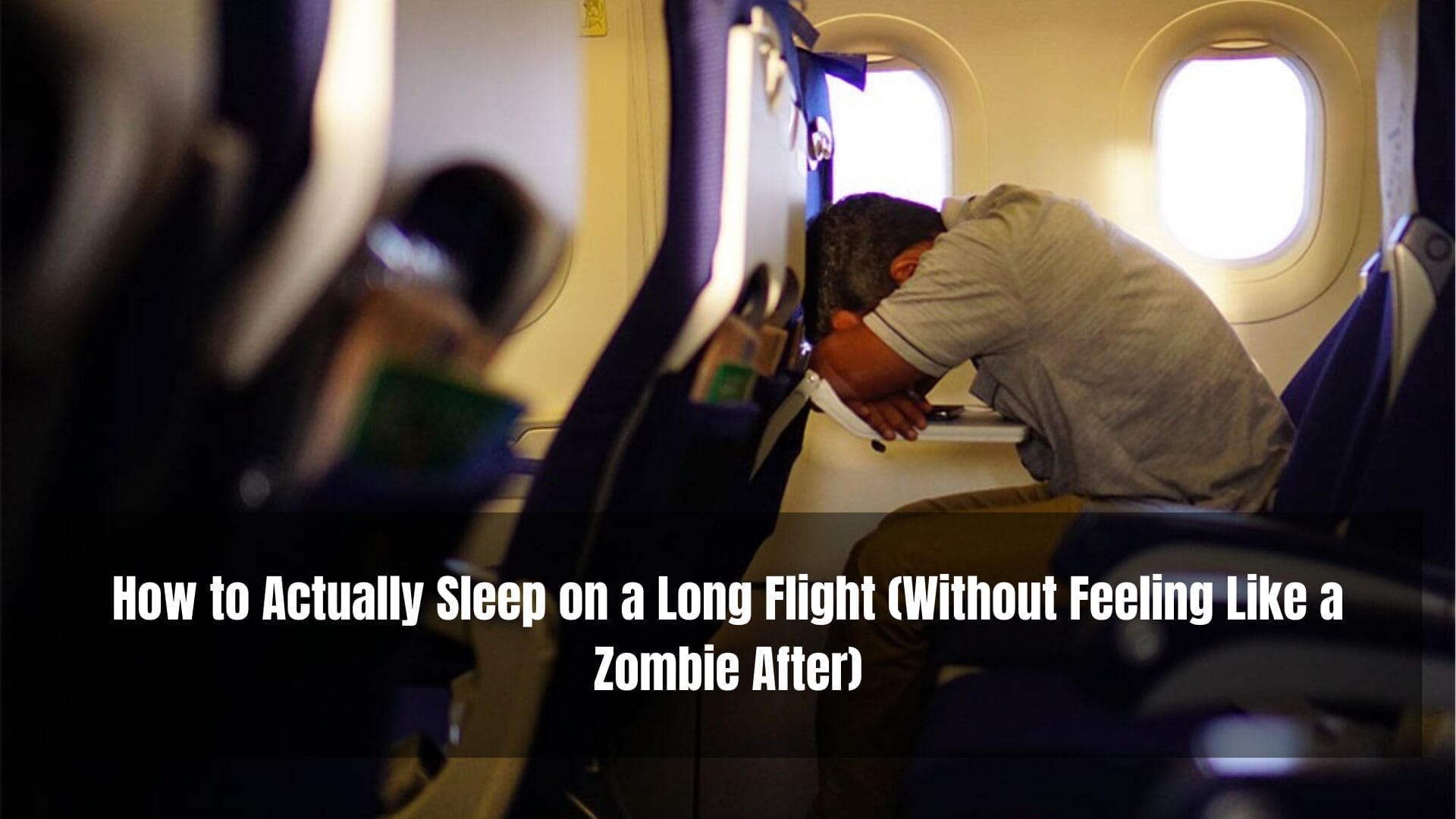
Sleeping on a long flight sounds glamorous in theory. You imagine yourself drifting off peacefully, waking up refreshed somewhere over the ocean, landing ready to explore. Reality, however, often looks more like stiff necks, numb legs, dry eyes, and that strange half-sleep where you’re awake but not really functioning.
The truth is, sleeping on a plane doesn’t come naturally for most people. Between cabin noise, cramped seats, awkward posture, and unpredictable lighting, your body isn’t exactly convinced it’s bedtime. But here’s the good news: with the right approach, decent sleep at 35,000 feet is absolutely possible.
It’s not about one magic trick—it’s about stacking small habits that work together. Here’s how to give yourself the best chance of actually resting on your next long-haul flight.
Start With the Right Seat Choice
Where you sit matters more than people realise. A window seat is often the best option for sleep. It gives you something solid to lean against, protects you from being bumped by passing carts or passengers, and lets you control the window shade. Darkness is a powerful sleep cue, even in the middle of the day.
If you end up in an aisle seat, all is not lost. The key is minimising interruptions. Try to settle in early, let your seatmate know you’re planning to sleep, and keep your essentials within reach so you’re not constantly getting up or digging through bags.
Middle seats are the toughest for sleep, but even then, preparation makes a difference.
Dress Like You’re Sleeping, Not Traveling
Tight clothes are the enemy of in-flight sleep. Choose soft, breathable layers that don’t restrict movement or circulation. Planes can swing wildly between too hot and too cold, so layering is essential.
Shoes matter too. Wearing footwear that’s easy to loosen or slip off can seriously improve comfort. Tight shoelaces or rigid shoes can reduce circulation, leading to numbness, tingling, or swelling—none of which help you stay asleep.
Compression socks are also a low-key game changer on long flights. They improve blood flow, reduce swelling, and help your legs feel less heavy when you wake up.
Fix Your Sitting Habits
How you sit can either help your body relax or keep it in low-grade distress all flight long.
Avoid crossing your legs for extended periods. While it feels natural, it restricts blood flow and puts uneven pressure on your hips and lower spine. Over time, this can cause discomfort that pulls you out of sleep.
Instead, try keeping both feet flat on the floor or slightly elevated using your bag or a footrest. Adjust your seat recline gradually, and make sure your head and neck are supported rather than hanging forward.
A small lumbar pillow or rolled-up hoodie behind your lower back can also make a surprising difference.
Be Strategic With Food and Drinks
What you eat and drink before and during the flight directly affects how well you sleep.
Alcohol might feel relaxing, but it actually disrupts sleep quality. It can make you feel drowsy at first, but it reduces deep sleep and often leads to fragmented rest. You’re more likely to wake up dehydrated and groggy.
Caffeine is an obvious no before sleep, but remember it hides in more than just coffee. Tea, chocolate, energy drinks, and some soft drinks can keep your brain more alert than you expect.
Opt for water instead. Cabin air is extremely dry, and dehydration can make it harder to sleep comfortably. Light meals are also better than heavy ones—think easy-to-digest foods rather than anything greasy or overly rich.
Create a Sleep Bubble
You may not control the plane, but you can control your personal environment.
An eye mask blocks out cabin lights, screen glare, and unexpected brightness when others open window shades. Noise-cancelling headphones or earplugs help drown out engine noise, crying babies, and mid-flight announcements.
A good travel pillow—one that supports your neck properly rather than pushing your head forward—can prevent stiffness and micro-wakeups throughout the flight.
Think of it as building a tiny sleep cocoon in a loud metal tube.
Sync Your Sleep With Your Destination
If possible, start adjusting your sleep schedule a day or two before departure to better match your destination’s time zone. Even small shifts can reduce jet lag and make it easier to sleep at the “right” time during the flight.
Once onboard, try to sleep when it would be nighttime at your destination. This helps reset your internal clock and makes your arrival day far more manageable.
Avoid obsessively checking the time—constantly reminding yourself where you are in the journey can make it harder to relax.
Calm Your Nervous System
Flying keeps your body in a subtle state of alertness. Gentle relaxation techniques can help signal that it’s safe to rest.
Slow breathing, quiet music, guided meditations, or even reading something familiar can ease your mind into sleep mode. Avoid intense movies, thrillers, or emotionally heavy content right before trying to sleep.
Your brain needs permission to switch off—help it get there.
Accept Imperfect Sleep
This is the final and most underrated tip: don’t pressure yourself to sleep perfectly.
Even light rest, closed-eye relaxation, or short naps help your body recover. Stressing about not sleeping often makes sleep even harder.
Aim for rest, not perfection.
Long flights don’t have to mean arriving exhausted and disoriented. With the right seat choice, smart habits, and a little preparation, sleep in the sky becomes less of a battle and more of a skill—one you can improve every time you fly.
Your future self, stepping off the plane with energy intact, will thank you.
https://nextnews.com.au/travel-leisure/hidden-islands-boom-remote-work-2026/
https://www.travelandleisureasia.com/sea/travel-tips/how-to-actually-sleep-on-a-long-flight-according-to-a-travel-expert/
Disclaimer
NextNews strives for accurate tech news, but use it with caution - content changes often, external links may be iffy, and technical glitches happen. See full disclaimer for details.