

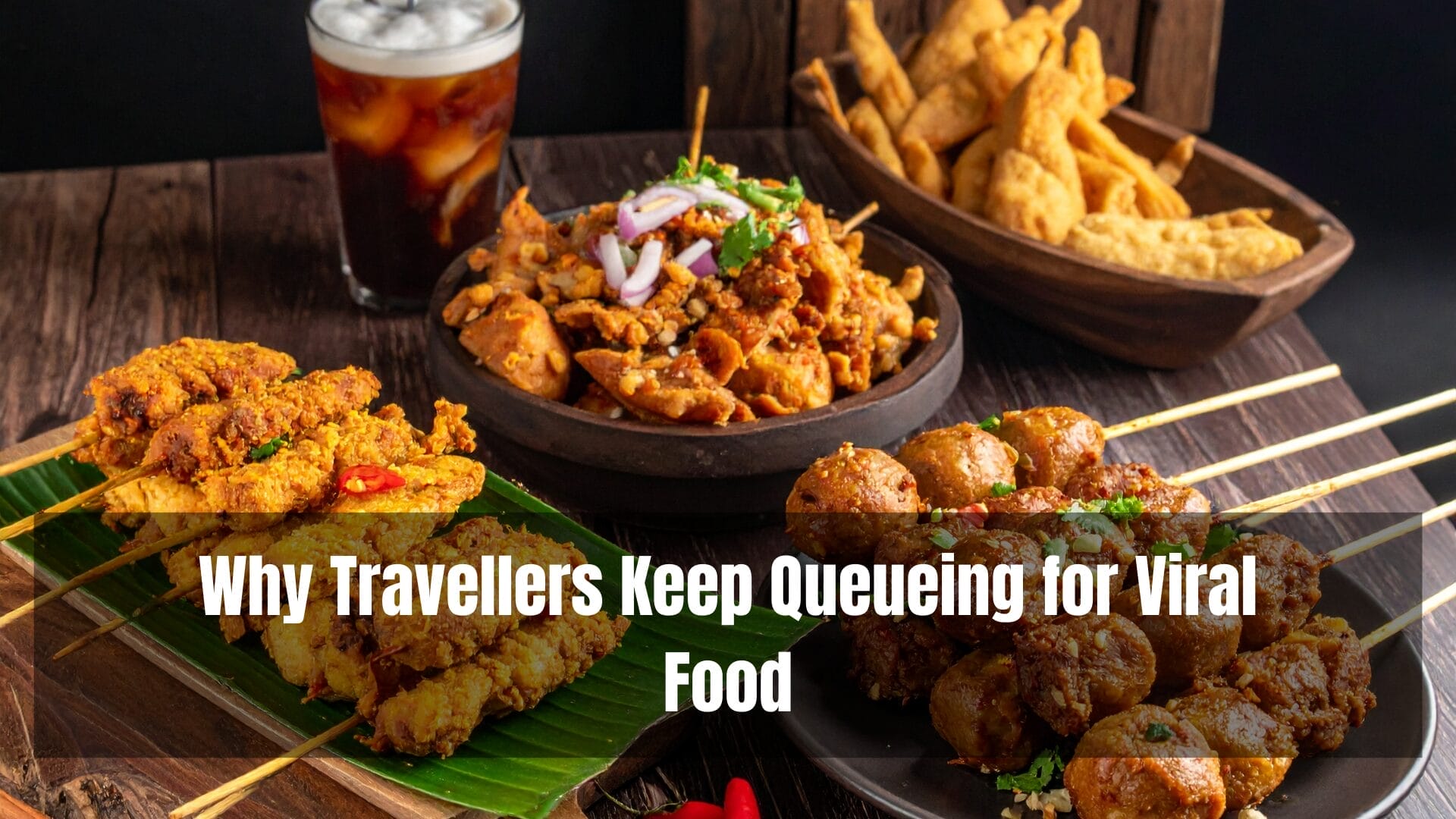
Why travellers queue for viral food has become one of the most curious habits of modern travel. From fries in Amsterdam to pizza in New York, tourists now willingly wait hours for snacks they’ve already seen online—often before they even arrive.

When a queue becomes the attraction
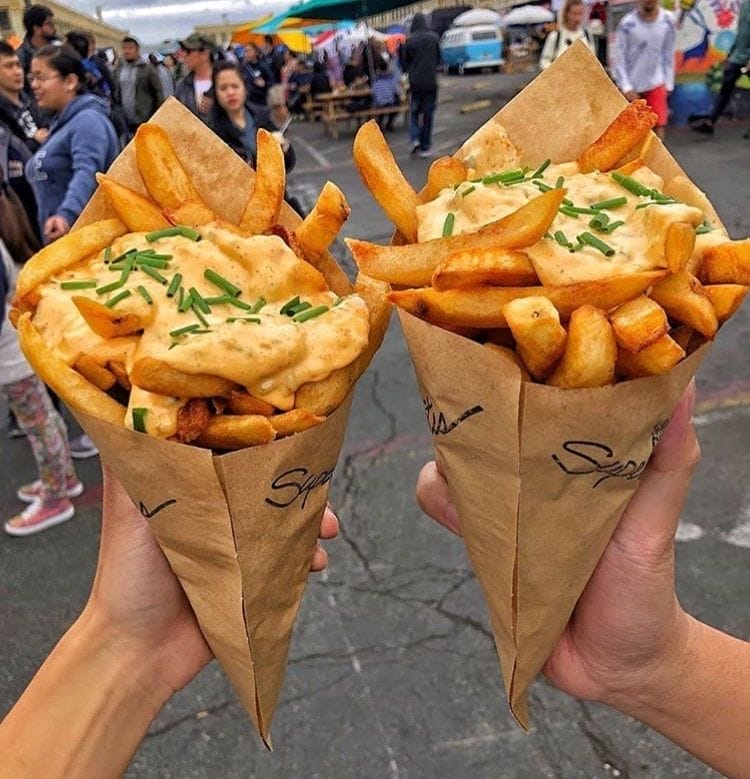
From his apartment overlooking Amsterdam’s Keizersgracht canal, academic and author Thomas A P van Leeuwen watches a very modern ritual unfold daily. Tourists crowd onto a small bridge, holding up €5.50 cones of fries, angling for the perfect Instagram or TikTok shot against the city’s 17th-century canal houses.
The destination? FabelFriet — a fries shop that opened in 2020 and exploded on TikTok three years later. Since then, queues have become permanent fixtures. Staff manage crowd flow, signs redirect foot traffic, and the spectacle continues. Just metres away, Korean sandwich spot Chun and cookie shop Van Stapele Koekmakerij draw similar lines of pilgrims chasing viral bites.
Amsterdam isn’t unique. In New York’s West Village, L’Industrie regularly has hour-long waits for a single slice of pizza. Londoners and tourists alike queue relentlessly at Beigel Bake for salt beef bagels. Japan’s I’m Donut? has inspired international offshoots with constant lines, while Italy’s All’antico Vinaio has exported its fame — and its queues — to the UK and US.
The pattern is global, and it’s so recognisable that Saturday Night Live has already mocked it. But psychologists say these queues aren’t really about taste. They’re about what the line signals.
Why queues pull us in
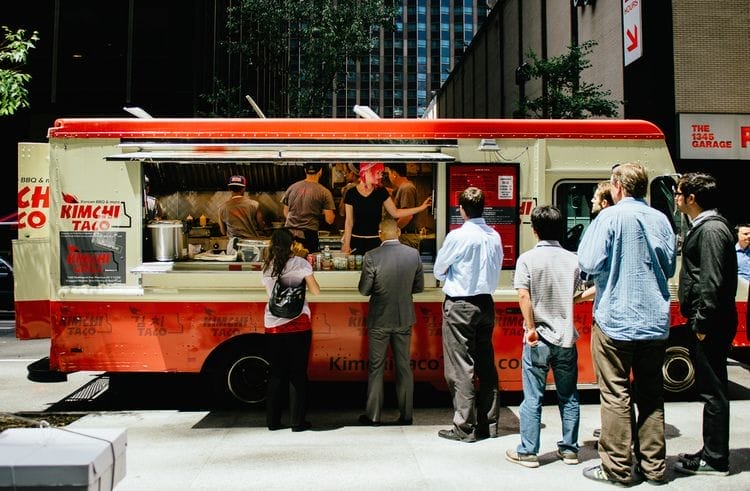
A queue doesn’t just suggest popularity — it creates desire. According to Rachel S Herz, an adjunct assistant professor at Brown University and author of Why You Eat What You Eat, queues trigger fear of missing out (FOMO). Seeing others wait sends a simple message: this must be worth it.
Consumer psychologist Cathrine Jansson-Boyd from Anglia Ruskin University explains this as social proof. When people repeatedly see others lining up, the behaviour starts to feel normal — even necessary. The logic becomes emotional rather than rational: If everyone else is doing this, I probably should too.
Today, though, queues are rarely discovered by chance. Most travellers already know exactly what they’re lining up for before they even arrive. TikTok, Instagram, and personalised feeds pre-load the desire long before the street corner does. The pressure to follow the crowd has intensified, Jansson-Boyd notes, because people don’t just want the experience — they want others to see that they had it.
But FOMO alone doesn’t explain why people film themselves waiting, or why the food sometimes feels secondary to the content being created. That’s where performance culture enters the scene.
Travel as a performance
Waiting in line for viral food has become part of the travel show. Eating the food isn’t enough — it has to be documented, rated, aestheticised, and shared. Social media platforms have turned holidays into public stages.
Sara Dolnicar, a professor at UQ Business School at The University of Queensland, describes this perfectly: social media gives tourists a platform to perform their vacation. A quick scroll through TikTok hashtags like #stroopwafel or #friet reveals thousands of videos of travellers narrating their wait, filming the storefront, and delivering verdicts to an unseen audience.
At FA Stroop Stroopwafels in Amsterdam, this performance plays out daily. Staff member Barbora Labudová regularly asks customers not to film her while she prepares their order — a small reminder that behind every viral moment is someone doing their job.
Researchers like Stefan Gössling from Linnaeus University argue that influencers and celebrities intensify this loop. They constantly search for the next hyped location to maintain relevance, while followers imitate them to signal belonging. The result is repetitive travel behaviour at a micro level: the same bakeries, the same doughnut shops, the same burger counters, over and over again.
The algorithmic illusion of discovery
What makes this trend especially powerful is the illusion of discovery. Travel TikTok makes it feel as though everyone has stumbled upon the same hidden gem at the same time — when in reality, algorithms are doing the curating.
Dolnicar points out that algorithm-driven travel reduces mental effort. Instead of researching or wandering aimlessly, travellers follow a pre-approved script. Waiting in line becomes easier than exploring unfamiliar streets or risking disappointment.
In that sense, queues aren’t just tolerated — they’re comforting. They offer certainty in an unfamiliar place, social validation in a foreign city, and proof that you’re doing travel “right”.
The irony? While travellers chase uniqueness, they increasingly end up in the same places, holding the same food, taking the same photos — all while standing patiently in line.
References & Further Reading
- Herz, R. S. (2017). Why You Eat What You Eat. HarperCollins
https://www.harpercollins.com/products/why-you-eat-what-you-eat-rachel-s-herz - Brown University – Alpert Medical School Faculty
https://www.brown.edu/academics/medical/faculty - Anglia Ruskin University – Consumer Psychology Research
https://www.aru.ac.uk/research - Dolnicar, S. – UQ Business School
https://business.uq.edu.au/profile/1163/sara-dolnicar - Gössling, S. – Linnaeus University Research Profile
https://lnu.se/en/staff/stefan.gossling/ - TikTok Travel Trends Overview
https://www.tiktok.com/business/en/trends
https://nextnews.com.au/travel-leisure/food-myths-debunked-2025/
Disclaimer
NextNews strives for accurate tech news, but use it with caution - content changes often, external links may be iffy, and technical glitches happen. See full disclaimer for details.